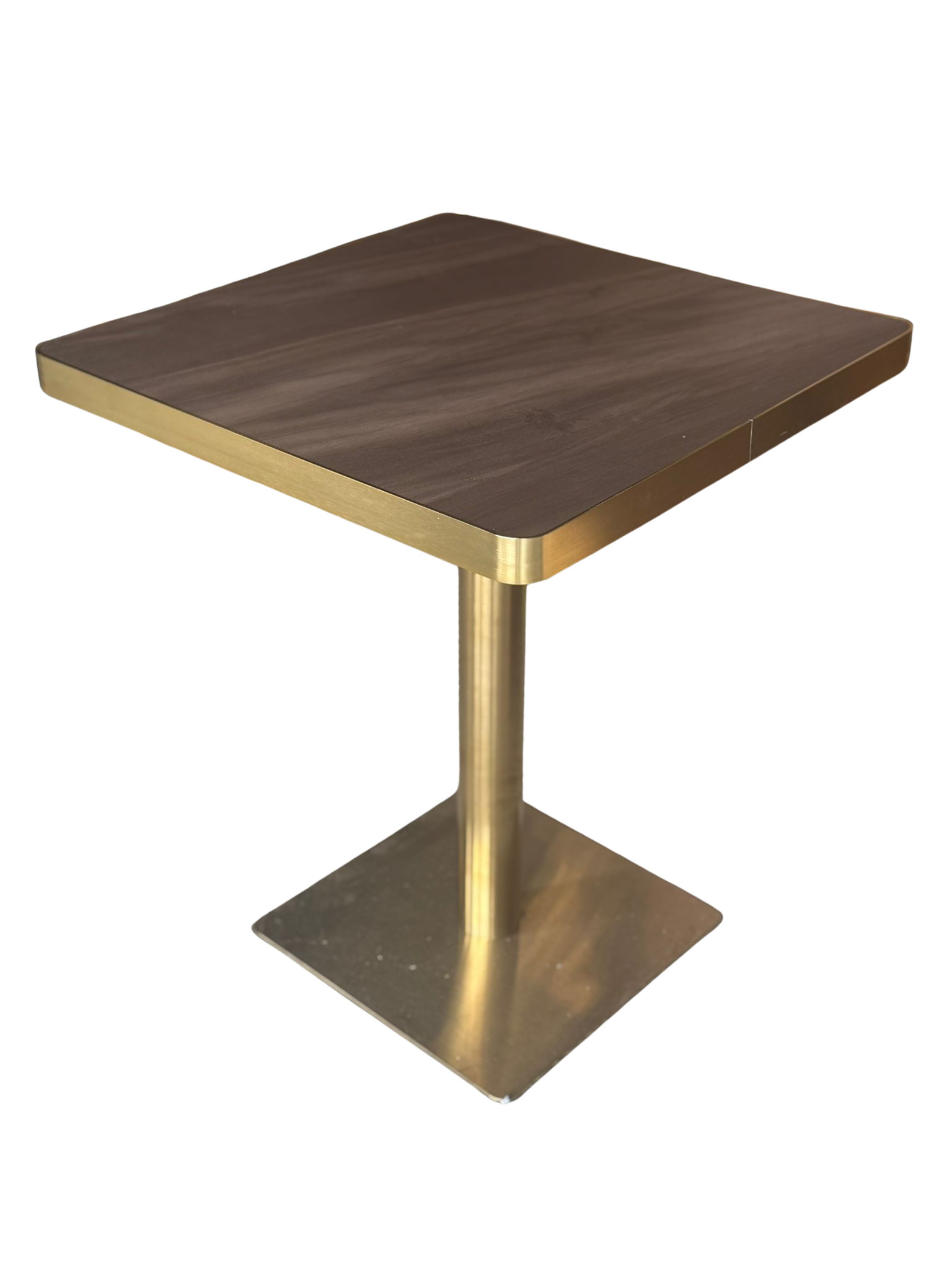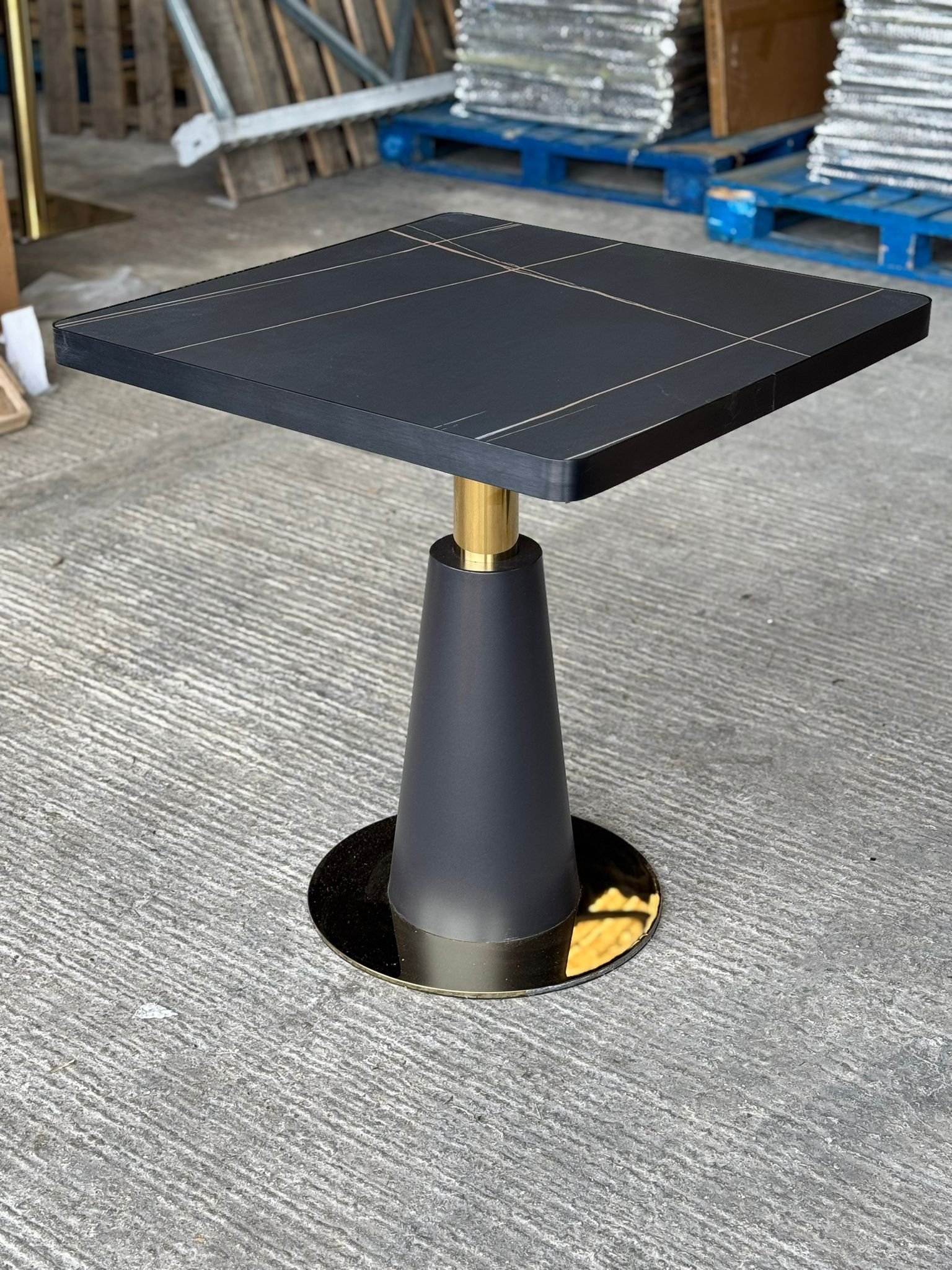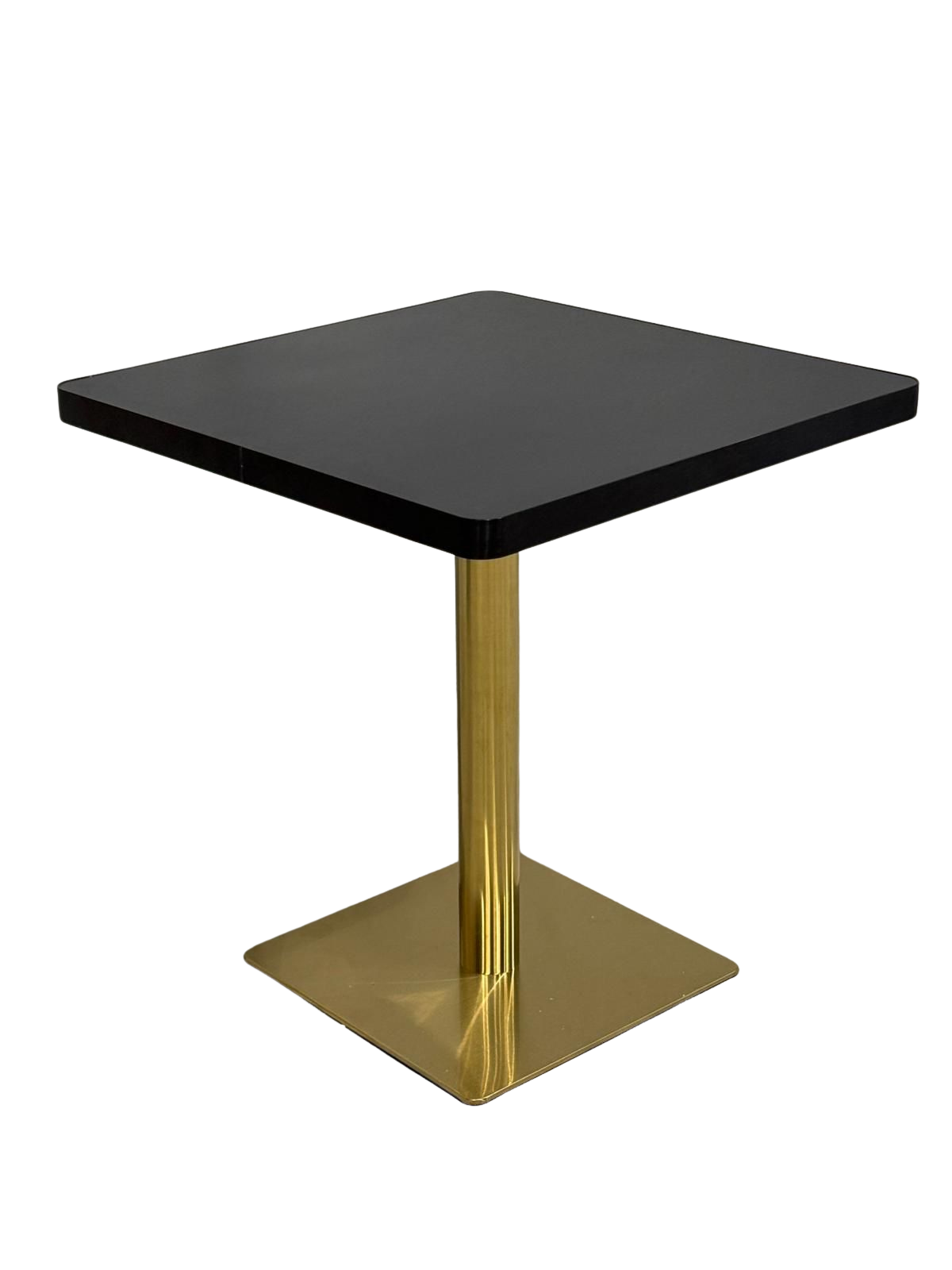
Shop durable commercial furniture tables built for offices, restaurants & hotels. Compare materials, sizes & styles. Free shipping on bulk orders.
Commercial Furniture Tables The Ultimate Buying Guide
Choosing the right commercial furniture tables for your business isn’t just about looks — it’s about durability, safety compliance, and getting the best return on a long-term investment. Whether you’re outfitting a corporate office, a restaurant, a hotel lobby, or a co-working space, the wrong table can mean costly replacements within a year. This guide breaks down everything you need to know before you buy.
Why Commercial-Grade Tables Matter
Residential furniture is built for occasional use. Commercial furniture tables, on the other hand, are engineered to handle daily wear, heavier loads, and constant cleaning — often for 8+ hours a day, every day. That’s why commercial tables typically use:
- Reinforced steel or aluminum frames instead of lightweight wood composites
- Commercial-grade laminates (HPL) that resist scratches, heat, and moisture
- Powder-coated finishes for corrosion resistance
- Higher weight ratings to meet BIFMA safety standards
If you’re furnishing a business space, always check that your supplier’s tables meet BIFMA (Business and Institutional Furniture Manufacturers Association) standards — this is the commercial furniture industry’s benchmark for safety and durability testing.
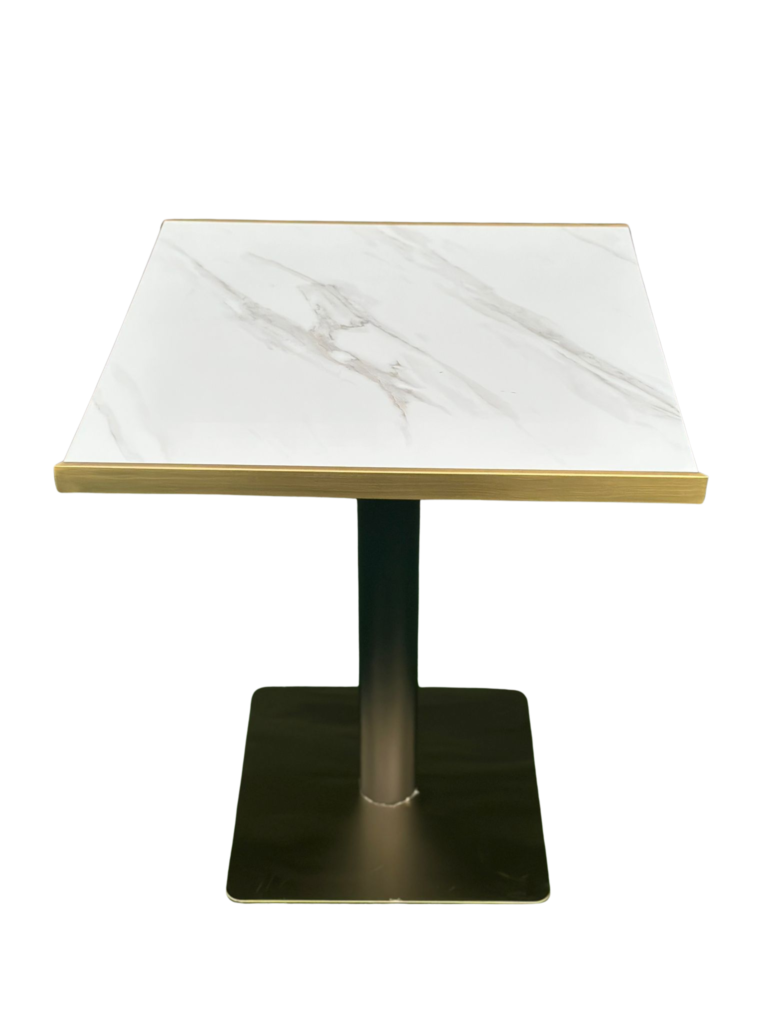
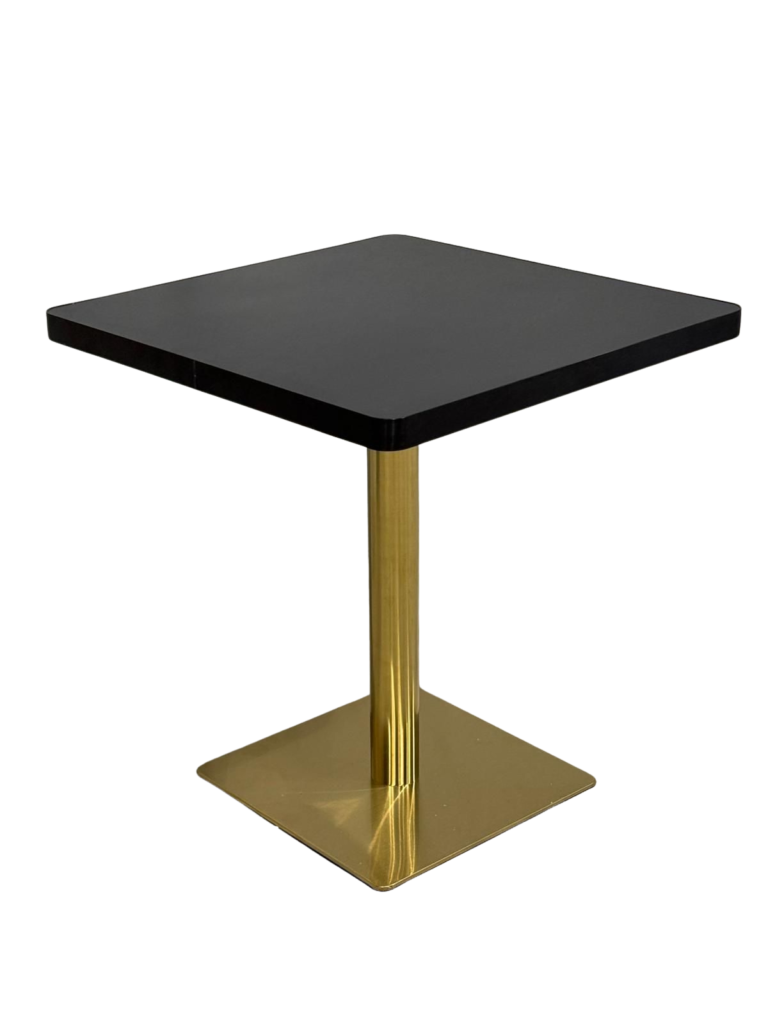
Types of Commercial Furniture Tables
1. Office & Conference Tables
Built for meetings and collaboration, these range from compact 4-person huddle tables to 20-foot boardroom tables with integrated cable management and power outlets.
2. Restaurant & Café Tables
These need spill-resistant tops, easy-clean surfaces, and frames rated for high foot traffic. Round tables maximize seating in tight spaces, while rectangular tables suit booth seating.
3. Breakroom & Cafeteria Tables
Often foldable or stackable for flexible space management, with scratch- and stain-resistant tops that hold up to daily lunch rushes.
4. Hotel & Hospitality Tables
Designed with aesthetics in mind as much as durability — think veneer or solid wood finishes paired with commercial-grade hardware underneath.
5. Outdoor Commercial Tables
Weather-resistant materials like powder-coated aluminum, teak, or HDPE (high-density polyethylene) that won’t warp, rust, or fade in the sun.
Key Factors to Consider Before Buying
| Factor | Why It Matters |
|---|---|
| Weight capacity | Prevents sagging or collapse under daily use |
| Material | Determines lifespan, maintenance needs, and cost |
| Certifications | BIFMA/ANSI compliance reduces liability risk |
| Warranty | Commercial tables should carry at least a 3–5 year warranty |
| Lead time | Bulk commercial orders can take 4–8 weeks — plan ahead |
| Stackability/mobility | Important for multi-use event spaces |
Materials Comparison: What Should Your Table Top Be Made Of?
- Laminate (HPL): Most cost-effective, highly durable, wide design options — ideal for offices and restaurants.
- Solid Wood: Premium look, great for hospitality settings, but requires more maintenance.
- Glass: Sleek and modern, best for low-traffic reception or lobby areas.
- Butcher Block / Epoxy Resin: Popular in trendy cafés and co-working spaces for a warm, upscale feel.
- Metal/Steel: Extremely durable, ideal for industrial-style or outdoor settings.
How to Choose the Right Size
A common mistake businesses make is underestimating space needs. As a general rule:
- Allow 24–30 inches of table edge per seated person
- Leave at least 36 inches of clearance behind chairs for walkways
- For conference tables, plan 6 linear feet per 4 people for comfortable meeting use
Maintenance Tips to Extend Tables lifespam
- Clean spills immediately to prevent staining, especially on laminate and wood surfaces.
- Use felt pads or table protectors under decor items to avoid scratches.
- Avoid abrasive cleaners on powder-coated or painted metal frames.
- Tighten hardware quarterly, especially on tables that get moved or folded often.
- Rotate table use in high-traffic areas to distribute wear evenly.
What makes a table “commercial grade”? Commercial-grade tables are built to meet BIFMA safety and durability standards, using reinforced frames and industrial finishes designed for daily heavy use — unlike residential furniture built for occasional use.
How long should a commercial table last? With proper care, a quality commercial table should last 7–10+ years, depending on material and usage intensity.
Do commercial tables cost more than residential ones? Typically yes, upfront — but the total cost of ownership is often lower since you’re not replacing furniture every 1–2 years.
Final Thoughts
Investing in the right commercial furniture tables protects your business from costly replacements, safety liabilities, and a look that doesn’t match your brand. At Premium Commercial Furniture, we specialize in durable, BIFMA-compliant tables built specifically for offices, restaurants, hotels, and institutional spaces — browse our full table collection here to find the right fit for your space and budget.
SEO Implementation Notes (for your reference — remove before publishing)
Focus keyword “commercial furniture tables” appears in: title tag, meta description, H1, first 100 words, at least one H2, URL slug, and conclusion — this is the standard on-page SEO placement pattern. Internal links to add: Replace /tables above with your actual category page, and consider adding 2–3 more internal links to specific product pages (e.g., “conference tables,” “restaurant tables”) from the relevant sections above — internal links are the strongest backlink lever you fully control. External backlinks: Linking out to authoritative, non-competing sites like BIFMA.org signals topical trust to Google. Avoid linking to competitor furniture retailers. shorts tables Use descriptive alt tags like “commercial-grade laminate conference table” rather than generic file names — this also helps Google Image Search traffic. Schema markup: Consider adding FAQPage structured data for the FAQ section to earn rich snippets in search results. Getting real backlinks: For off-site backlinks (links from OTHER websites to yours, which is what most people mean by “backlinks” for SEO), on-page content alone can’t create these — you’d need outreach, such as submitting this guide to furniture/interior-design directories, guest posting on hospitality or office-design blogs, or getting listed on industry supplier directories like ThomasNet.