
Commercial-grade beds are engineered for high-traffic environments like hotels, healthcare facilities, and student housing. Unlike residential furniture, these beds feature reinforced construction, fire code compliance, and durable finishes designed to withstand heavy use. They focus on long-term lifecycle value and safety standards rather than low upfront costs.
Choosing the right commercial bed involves evaluating load testing, industry-specific certifications, and the availability of replacement parts. Professional suppliers provide wholesale pricing and consistent specifications for large-scale installations. Prioritizing durability and maintenance requirements ensures these furnishings meet the rigorous demands of hospitality and institutional settings while reducing replacement expenses.
Commercial Beds Built to Outlast the Competition: A Buyer’s Guide for 2026
When guests, patients, residents, or students spend the night under your roof, the bed they sleep in says everything about your brand. Whether you’re furnishing a boutique hotel, a senior living facility, a student dormitory, or a healthcare center, commercial beds aren’t just furniture — they’re a daily test of durability, comfort, and compliance that residential beds were never built to pass.
At [Premium Commercial Furniture], we manufacture and supply premium commercial-grade beds engineered specifically for high-turnover, high-traffic environments. In this guide, we’ll break down what makes a bed truly “commercial grade,” which industries need which type of bed, and how to choose a supplier that won’t leave you replacing frames every two years.
What Makes a Bed “Commercial Grade”?
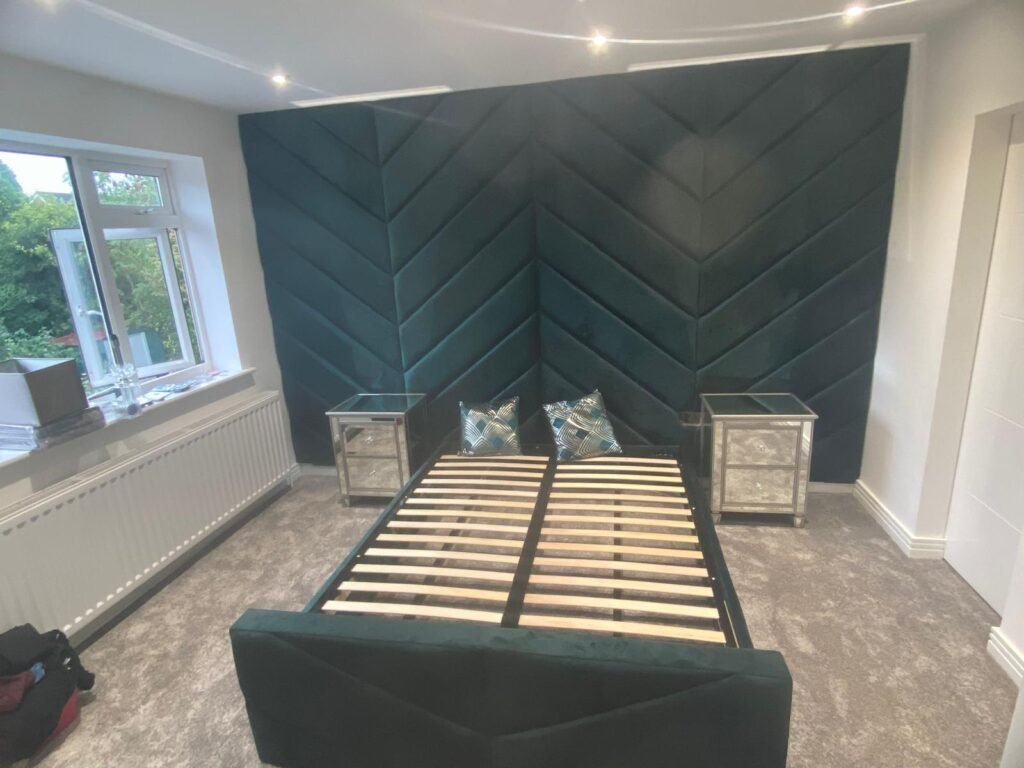
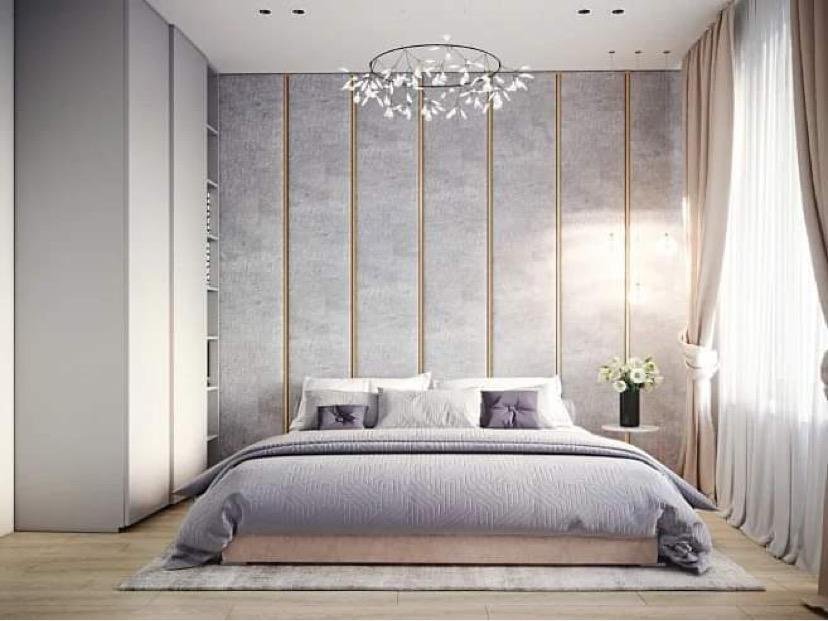
Not every bed marketed to businesses is actually built for commercial use. A true commercial-grade bed frame is engineered to standards far beyond what you’d find in a residential furniture store:
- Heavy-duty frame construction — steel or solid hardwood frames stress-tested to support significantly higher weight loads than home furniture, often 400kg+
- Fire and safety code compliance — meeting flammability and structural safety regulations required for hospitality, healthcare, and institutional use
- Reinforced joinery — welded steel joints or mortice-and-tenon woodworking instead of cheap fasteners that loosen under repeated use
- Contract-grade finishes — scratch-, moisture-, and stain-resistant coatings that survive daily housekeeping and cleaning chemicals
- Easy-clean, antimicrobial options — especially critical for healthcare and senior living settings
- Replaceable components — modular parts that extend the bed’s service life and lower your total cost of ownership
This is the core difference between a bed you buy for a bedroom and a bed you buy for a business: commercial beds are designed around lifecycle cost, not just upfront price.
Who Needs Commercial-Grade Beds?
Hotels & Hospitality
Guest turnover happens every single night. Hotel beds need to look flawless for check-in and survive years of use, cleaning, and transport. Look for contract beds with reinforced frames, no-squeak construction, and finishes that match your brand’s design standards across every property.
Healthcare & Senior Living
Beds in clinical and senior care settings carry the highest safety burden of any commercial furniture category. Features like antimicrobial upholstery, easy-clean vinyl options, and ADA-compliant heights aren’t optional — they’re the standard.
Student Housing & Dormitories
Dorm beds face heavy daily wear from a very different kind of user. Stackable or bunkable frames, tamper-resistant hardware, and vandal-resistant finishes help institutions cut replacement costs across hundreds of units.
Corporate Housing, Rentals & Multi-Family Developments
Furnished apartments and extended-stay properties need beds that balance comfort with the durability of a wholesale commercial bed program — consistent quality across dozens or hundreds of units, ordered and delivered on a predictable timeline.
Why “Cheap” Beds Cost More in the Long Run
Many facility managers default to lower-cost residential beds to save on upfront budget — and pay for it within 18–24 months in replacements, repairs, and guest or resident complaints. When comparing suppliers, calculate cost per year of service, not just cost per unit. A commercial bed with a 10-year lifespan at a higher price point almost always outperforms a budget frame that needs replacing every 2–3 years.
What to Look for in a Commercial Bed Supplier
Before you commit to a bulk order, vet your supplier against this checklist:
- Independent load and safety testing — ask for documentation, not just marketing claims
- Tiered wholesale/trade pricing for bulk and multi-property orders
- Consistent specifications on repeat orders — so property #12 matches property #1
- Clear lead times and delivery logistics, especially for multi-site rollouts
- Warranty and replacement-parts availability
- Industry-specific certifications (fire code, healthcare compliance, ADA, etc.)
Request a Wholesale Quote | Browse Our Commercial Bed Collection | Talk to Our Trade TeamContact Us | Get a Free Furniture Consultation – UK